
Ignite India Education

Best NID college in India
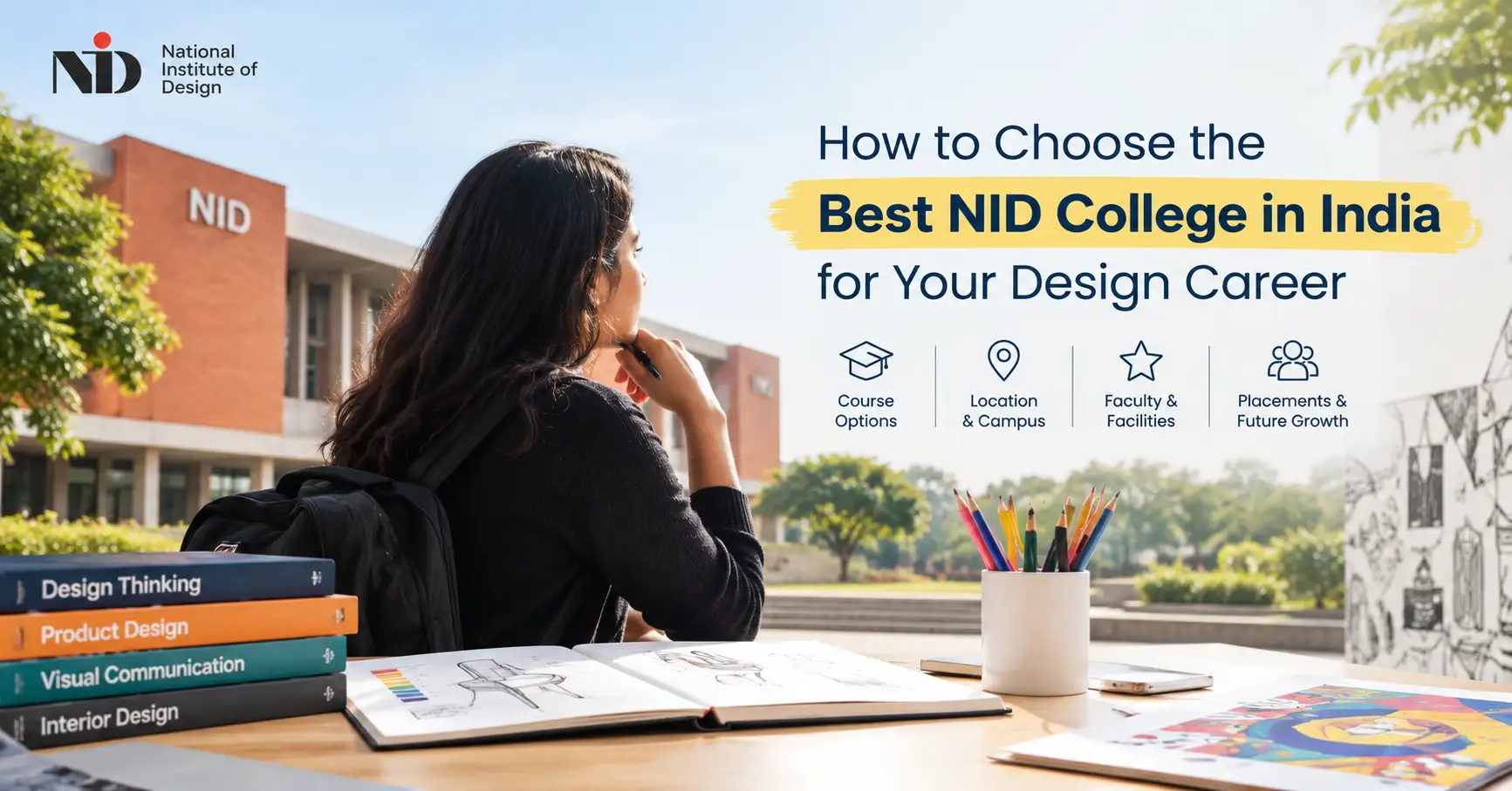
Choosing the best NID college in India can be an important step toward building a successful career in design. For students passionate about creativity, visual communication, product development, and innovation, the National Institute of Design (NID) offers an opportunity to develop practical skills alongside design thinking. However, selecting an institute requires more than looking at its reputation or popularity. Students should consider available specialisations, teaching methods, infrastructure, industry exposure, and career opportunities. Understanding these factors can help you identify a design institute that matches your interests, strengths, and long-term professional goals.

Why Choosing the Right NID College Matters

Design education goes beyond learning how to draw or create attractive visuals. It develops problem-solving abilities, research skills, creative thinking, and an understanding of how people interact with products, services, and visual information. The right institute can help you build a strong portfolio, participate in collaborative projects, and understand real-world design challenges. Exposure to experienced faculty, workshops, studios, and industry professionals can also influence your professional development. When researching the top NID colleges in India, remember that different campuses may offer different programmes, facilities, and specialisations. The National Institute of Design system includes institutes with distinct academic offerings, so students should verify the current programme list and admission requirements for each campus instead of assuming that every institute provides the same courses.

1. Check Courses and Available Specialisations

Your choice of course should reflect your interests and the career you want to pursue. Design includes several disciplines, such as product design, communication design, textile design, animation, interaction design, and lifestyle accessory design. Students exploring NID courses after 12th should first understand the difference between undergraduate and postgraduate programmes. The Bachelor of Design (B.Des) is an undergraduate route, while the Master of Design (M.Des) is intended for eligible candidates seeking advanced design education. Before applying, check the specialisations available at each campus, their eligibility requirements, and the curriculum structure. Some programmes emphasise physical products and materials, while others focus on visual storytelling, digital experiences, or design research. Reviewing the syllabus can help you determine whether a course matches your creative strengths and professional ambitions.

2. Understand the Admission Process and Eligibility

Admission requirements are among the most important factors when comparing institutes. NID admissions generally involve the Design Aptitude Test (DAT), with the applicable stages and selection criteria depending on the programme and admission cycle. The NID admission process typically requires candidates to register online, submit the application, meet eligibility criteria, and participate in the prescribed entrance examination and subsequent selection stages. Students should consult the official admission handbook for the relevant year because examination formats, dates, seat availability, and selection procedures can change. For undergraduate applicants, eligibility is generally linked to qualifying Class 12 education, subject to the official rules. Postgraduate applicants must satisfy the prescribed degree and other requirements for their chosen programme. Start preparing early by practising observation, visualisation, creative problem-solving, and logical reasoning. Familiarity with the examination pattern can help you plan your preparation more effectively.

3. Compare Faculty, Teaching Methods, and Mentorship

Experienced faculty members can make a meaningful difference to your learning experience. Design education benefits from instructors who combine academic knowledge with practical experience in areas such as industrial design, visual communication, digital media, and design research. When evaluating the best NID college in India, explore faculty profiles, areas of expertise, professional projects, and teaching approaches. Look for evidence of studio-based learning, individual feedback, collaborative assignments, and interdisciplinary projects. Mentorship is especially valuable when developing a design portfolio. Constructive feedback can help you refine concepts, communicate ideas clearly, and understand the reasoning behind design decisions. You should also investigate whether students receive guidance for internships, live projects, exhibitions, and professional development. These experiences can help connect classroom learning with industry expectations.

4. Evaluate Infrastructure, Studios, and Learning Resources

Design students need opportunities to experiment, prototype, test ideas, and improve their work. Therefore, campus infrastructure deserves careful attention. Check the availability of design studios, material libraries, workshops, fabrication equipment, computer laboratories, software resources, and collaborative workspaces. The facilities required will depend on your chosen discipline. For instance, product design students may benefit from model-making workshops, while communication design students may need access to digital production tools and visual communication resources. When comparing NID colleges in India, review official campus information, programme facilities, and student work where available. If possible, attend an open house or campus event to understand the learning environment. Remember that infrastructure is most valuable when students can access it regularly and receive proper technical guidance.

5. Examine Industry Exposure and Internship Opportunities

A strong design education should help you understand how creative ideas are developed into practical solutions. Industry exposure can introduce students to client requirements, project deadlines, user research, teamwork, and professional design standards. Look for institutes that offer industry-linked projects, workshops with professionals, internships, guest lectures, and opportunities to participate in exhibitions or design competitions. The top NID colleges in India may provide different opportunities depending on their programmes, faculty networks, location, and industry partnerships. Rather than relying on general claims, investigate the actual opportunities available to students in your preferred specialisation. Ask whether internships are compulsory, how students find placements, and what kinds of organisations have collaborated with the institute. Relevant experience can help you build professional confidence and identify the career path that suits you best. Explore More: NATA coaching in bhopal | Best nata course | CEED coaching in pune

6. Review Placements and Long-Term Career Opportunities

Career outcomes should be evaluated realistically. Design graduates may work in product development, user experience (UX) design, graphic design, branding, animation, exhibition design, design research, and other creative fields. Some graduates also pursue entrepreneurship, freelance projects, independent practice, or further studies. Your opportunities will depend on your skills, portfolio, specialisation, experience, and the needs of the industry. When researching the best NID college in India, look for official placement reports or reliable programme-level information. Check whether published figures represent all graduates or only students who participated in placement activities. Ask about typical job roles, recruiting organisations, internship conversion opportunities, and alumni career paths. Salary figures alone do not provide a complete picture of educational quality or future prospects. A strong portfolio and the ability to explain your design decisions can be just as important as the institute’s reputation.

7. Compare Fees, Scholarships, and Living Expenses

Tuition fees are only one part of the total cost of design education. Students should also account for accommodation, food, materials, software, transportation, equipment, and project-related expenses. Compare the published fee structures for your selected programmes and check whether hostel accommodation is available. Review scholarship schemes, financial assistance, eligibility rules, and application deadlines before making a final decision. If you are researching how to choose a design college in India, calculate the estimated cost of studying for the full duration of the programme rather than focusing only on the first semester. A clear financial plan can help you compare options realistically and avoid unexpected expenses. Always rely on current official fee notices because costs and assistance policies may change between admission cycles.

8. Assess Campus Culture and Student Development

Your college experience also depends on the people and environment around you. Design students often learn through group projects, discussions, exhibitions, workshops, and peer feedback. Explore student clubs, design festivals, cultural events, collaborative projects, and opportunities to display your work. A supportive campus environment can encourage experimentation and help you learn from different creative perspectives. If possible, speak with current students or alumni about workload, access to facilities, faculty support, accommodation, and the overall learning experience. For additional guidance, students can also explore counselling resources and admission guidance from Ignite India Education while independently verifying programme details and eligibility through official NID sources.

9. Verify Accreditation, Official Information, and Programme Details

Before finalising your application, verify that the institute and the specific programme are officially recognised and currently offered. Check the institution’s official website for campus details, programme duration, eligibility, curriculum, fees, and admission notices. Avoid relying exclusively on rankings, advertisements, social media posts, or outdated education portals. These sources may contain incomplete information or refer to earlier admission cycles. When reviewing NID colleges in India, distinguish between official NID campuses and other design institutions that may offer similar programmes. Confirm the exact degree awarded, the institution delivering it, and the facilities available for that course. This step helps ensure that your decision is based on accurate information rather than assumptions about an institution’s name or reputation.

10. Match the Institute to Your Career Goals

The final decision should reflect your own interests rather than simply following popular opinions. A student interested in product innovation may prioritise prototyping facilities, while someone pursuing communication design may focus on visual storytelling, digital tools, and portfolio development. Use these practical checks before making your final shortlist:
  • Compare specialisations, curriculum, faculty expertise, and campus facilities.
  • Review admission eligibility, examination requirements, fees, and scholarships.
  • Investigate internships, industry projects, alumni outcomes, and career support.
  • Consider location, accommodation, learning environment, and long-term affordability.
If you are still wondering how to choose a design college in India, rank these factors according to your priorities. A structured comparison will help you identify which institute best supports your intended career path.

Conclusion

Selecting a design institute is a decision that should balance academic quality, creative opportunities, practical experience, affordability, and career goals. Research each programme carefully, verify admission requirements, and consider how the learning environment will help you develop your skills and portfolio. The best NID college in India for you is the one whose courses, facilities, teaching approach, and opportunities align with your aspirations. Make an informed shortlist, prepare for the entrance examination, and choose a programme that encourages you to become a thoughtful, skilled, and adaptable designer.

Frequently Asked Questions 

1. Which is the best NID college in India? The right choice depends on your preferred specialisation, campus facilities, faculty, and career goals. 2. Can I apply for NID after Class 12? Yes, eligible candidates can apply for undergraduate programmes, subject to the current admission rules. 3. Is the NID entrance exam compulsory? Admission generally involves the prescribed Design Aptitude Test and selection stages for the chosen programme. 4. What courses can I study at NID? Depending on the campus, programmes may include B.Des and M.Des specialisations across different design disciplines. 5. What career opportunities are available after NID? Graduates may pursue careers in product design, communication design, UX design, animation, research, and other creative fields.
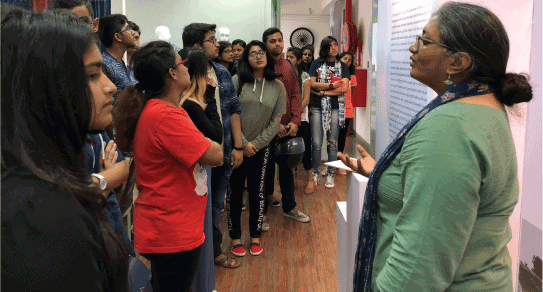
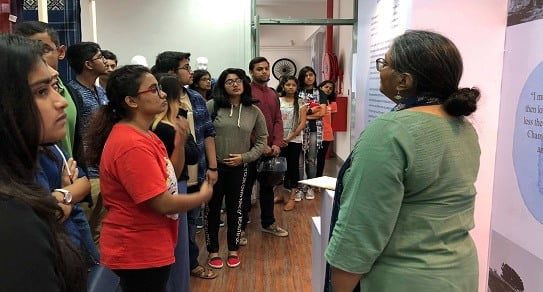
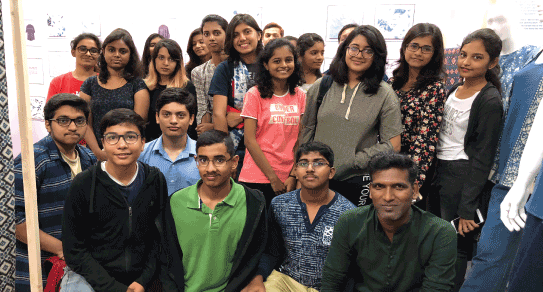
People at NID Center
NID Center board

Disclaimer:

This blog post is not an official representation of the National Institute of Fashion Technology (NIFT). The content provided is for informational purposes only and is based on available resources and our previous teaching experience. Readers are advised to conduct their own research and verify information through the official NIFT website for the most authentic information.  Keep an eye on the official NIFT website around September-October 2024 for updates.

IGNITE INDIA EDUCATION Best Coaching for NIFT NID NATA UCEED CEED CLAT 

Head Office – 1658, 1st Floor,  27th Main, Sector 2, HSR Layout, Bangalore – 560102

For further information about coaching classes and college admissions, please do not hesitate to contact us at 8884544480.

About Ignite India Education :


Ignite India Education, a pioneer in coaching for various design, architecture and management entrance exams, is committed to nurturing the talents of the youth, shaping their futures, and contributing to the nation’s growth. Founded in 2006, Ignite India Education has consistently ranked as a premier coaching institution. 


NIFT 2024: Application Process Begins, Check Last Date, How To Apply

How to Crack NIFT 2023 In 3 Months - NID coaching - NID Entrance Toppers Tips Feedback on Question Pattern

Self Study Tips Video how to Crack NID Entrance Exam - NID coaching - NID Entrance Toppers Tips Feedback on Question Pattern

Self Study Tips Video how to Crack NID Entrance Exam - NID coaching - NID Entrance Question Pattern

How to Crack NIFT 2023 In 3 Months - NID coaching - NID Question Pattern

How to Crack NIFT 2023 In 3 Months NID Entrance Exam - NID coaching - NID Portfolio

Self Study Tips Video how to Crack NID Entrance Exam - NID coaching - NID Studio Test - Ignite India Education

Success in NIFT Bangalore

You Also Like Reading

ignite logo
Sign up for latest updates

By signing up for IgniteIndia. You agree to the Terms of Services and PrivacyPolicy of the platform.

How to Crack NIFT 2023 In 3 Months

How to Crack NIFT 2023 In 3 Months

Table of Contents

related posts

FACILITATORS

Akash Gupta
Akash Gupta
4 Years of Experience
Ignite India Education is inspired...
live@igniteindiaedu.com
Gaurav Roy
Gaurav Roy
12 Years of Experience
live@igniteindiaedu.com
Akhilesh Kumar
Akhilesh Kumar
12 Years of Experience
live@igniteindiaedu.com
Krishna Nand Singh
Krishna Nand Singh
12 Years of Experience
live@igniteindiaedu.com
Arun Gopidas
Arun Gopidas
12 Years of Experience
live@igniteindiaedu.com

SUCCESS STORIES

GALLERY

Videos

OUR ALUMNI NETWORK

An Award Winning Institute With Strong Industry Alumini Network

Ignite India Alumni networks provide the long-term value to an educational institution by giving alumni the chance to stay in contact and continue to learn from each other long after they have left Institute. Ignite India is a Well Known Design Institute that equips students for success in career.

Subscribe to Our Newsletter

Loading
Ignite-India-Banner-Long-Final Logo

Leave a Reply

Your email address will not be published. Required fields are marked *